Human Feces Cleanup
Rentals, residences and public bathrooms receive human feces cleanup and disinfection.
See human feces cleanupGet feces, urine, vomit, blood and other bodily fluids removed from a home, rental, care setting or workplace in Maple Ridge. The affected area is cleaned, disinfected and checked before it is used again.
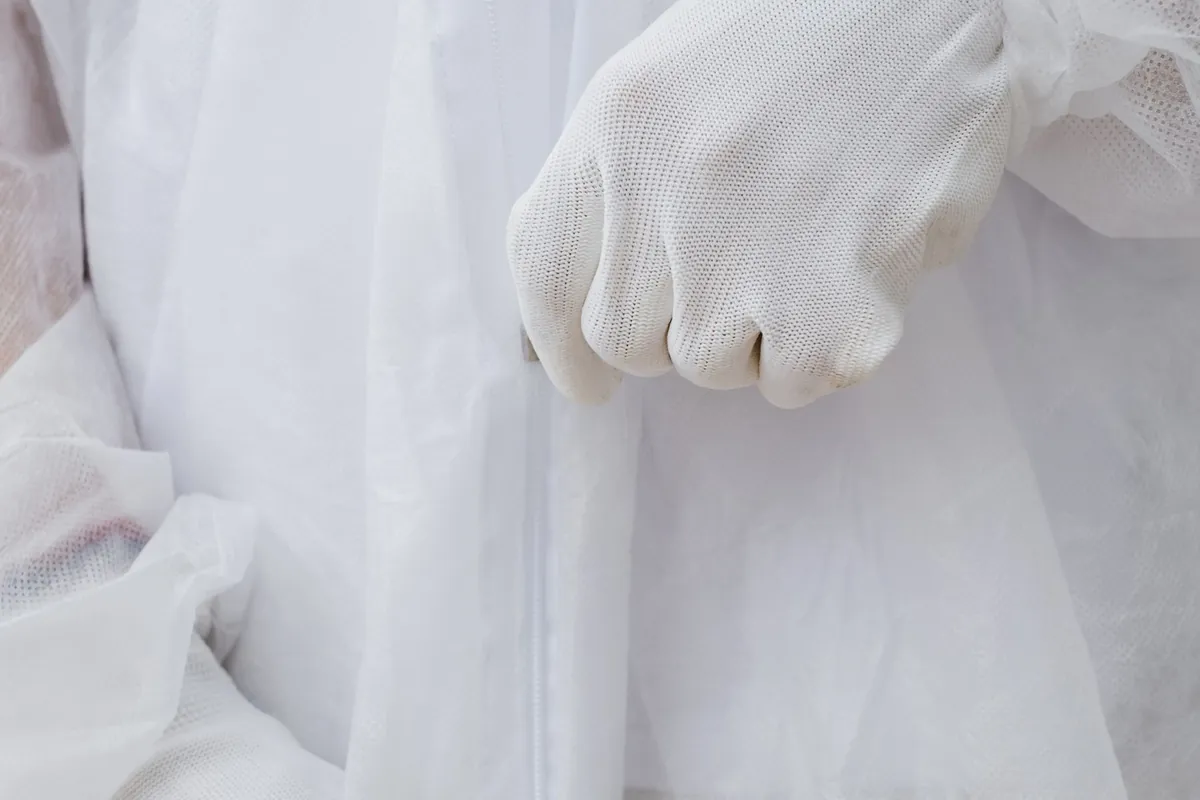
Bodily fluid cleanup safely takes away blood, feces, vomit, urine and other human waste. The work then treats the affected space through cleaning, disinfection and odor control.
Unlike routine housekeeping, this work accounts for fluid hidden in grout, unfinished wood, carpet pad, wall cavities or seams. Cleanup technicians inspect both the contamination and nearby areas. They safeguard clean rooms and evaluate which items can receive disinfection. When biohazard remediation is extensive, the process may extend to odor removal, containment, safe waste packaging and disposal.
Whether contamination happened once recently or built up through repeated events, specialized cleaning can address the bodily fluid. Vomit cleanup, combined urine and feces cleanup, or human feces cleanup may take place in an apartment, care setting, home, restroom, workplace, hotel or school. The source is removed, each surface receives the right product and the space is prepared for future use.
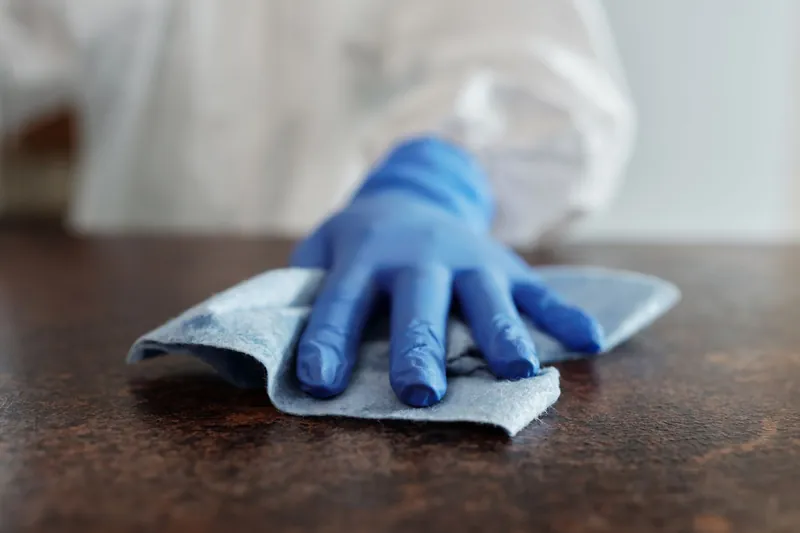
Photos, a clear scope and available waste records can be organized for property owners, managers and an insurance company reviewing the event.
Calls are answered both day and night, with unmarked vehicles used for crew arrivals. You receive a calm discussion of the situation, and access is limited to the work space that is needed.
Keepsakes and other salvageable possessions are divided from materials requiring disposal. When circumstances permit, you are consulted about belongings before deciding to remove them.
Ask in advance how the cleaning process is expected to move forward, including affected areas, items that may remain and materials that could require removal.
Professional cleanup may be right when regular cleaning cannot resolve a health concern, bodily fluids have entered absorbent materials or the affected area is extensive. Needs vary by situation, with common examples including:
A controlled workspace can protect employees and guests during commercial feces cleanup in offices, restrooms, shops and common buildings.
Professional cleaning may be necessary for human feces clean up after illness, reduced mobility or a toilet accident leaves fecal matter on floors, bedding, walls and belongings.
A welfare check, move-out or cleaning of a severely neglected building may reveal human or animal waste.
Diarrhea, vomit and additional fluids may travel past the obvious area to soft surfaces, surrounding touch points and rooms your loved ones use.
Protect people first and avoid spreading material beyond the original spot. If this is an emergency response or law enforcement is involved, wait until the area is released to you. Take these steps while arranging a cleaning service:
Call (888) 440-9227Each fluid has no price of its own in published guides, so blood cleanup is used as the reference. A small cleanup runs $500 to $2,500 in the guides and the smallest jobs begin near $300 while a wide spread can reach $4,000 according to one guide. Those are comparison figures, not a charge you should expect. The surfaces affected, waste and odor treatment decide the real amount.
Published national cost guides are the source for these ranges, rather than an inspection of your property. An on-site assessment determines your property's price, which is explained to you before the cleanup starts.
Ask about cost: (888) 440-9227Coverage depends on what caused the contamination and the terms, limits and deductible in your policy. Ask the insurance company about biohazard cleanup before authorizing non-urgent work.
Before taking out damaged materials, property owners or people managing a business may ask the adjuster about required records and possible building-policy coverage.
Victims of violent crime can ask the Oklahoma Crime Victims Compensation Program, run through the Oklahoma District Attorneys Council, about crime scene cleanup, which the Crime Victims Compensation Act lists as an allowable expense. Insurance is usually checked first.
Coverage may apply when cleaning follows a sudden event included in the policy, although ordinary maintenance, sanitation and neglect generally receive different treatment. Confirm your own terms.
Store invoices and the claim number along with photos, the work details and waste paperwork. Cleanup documents cannot assure payment because insurance companies make coverage decisions.
This remediation process explains what bodily fluid cleanup involves from the first assessment through the final check. A controlled order helps keep contamination from being carried into clean rooms. Each step changes with the fluid, affected materials and distance traveled.
The cleanup team locates the source and affected areas, then notes porous materials, adjacent surfaces, sharps and hazardous materials needing added care.
A separation is created between clean rooms and the work area. The exposure guides selection of protective clothing, gloves, eye protection and any other needed protective gear.
Solid waste and standing liquid are carefully lifted ahead of wet cleaning to reduce splashes and movement into surrounding areas.
Soft furnishings, carpet pad, unsealed wood and damaged drywall might need removal if fluid has absorbed too deeply to clean fully.
The surfaces that remain are cleaned and then treated using an EPA-registered disinfectant that stays for its entire labeled contact period.
Nearby fixtures, switches, door knobs and surfaces are inspected and cleaned if equipment, footwear or hands could have carried material to them.
Discarded items are sealed and routed in line with the waste rules that apply. Odor treatment begins only after the contamination source is gone.
A check of the work area looks for any leftover soil and odor. Photos, disposal documentation and the work scope may help with property records and insurance assistance.

You can call anytime. Your bodily fluid cleanup specialist answers the phone, describes what happens next and works with you on a start time.
Bodily fluids may carry germs or combine with infectious material. Contamination can also remain beneath the visible surface when porous materials absorb it.
Exposure may have more serious effects on older people, children and anyone whose immune system is weakened. The affected area should remain off limits to them as an initial precaution.
Hepatitis B, hepatitis C and HIV can be carried in blood. The CDC reports that hepatitis B may remain viable for at least seven days on surfaces, making careful treatment of dry blood important.
Disease-causing parasites, viruses and bacteria may be present in fecal matter. Contact with it, or transfer onto your food, hands or common touch points, can pass on illness.
Can you clean it yourself? You may be able to address a limited recent spill on a solid non-porous surface by wearing disposable gloves, lifting material cautiously and keeping an EPA-registered disinfectant in place for the complete label contact time. Seek professional cleanup if you do not know the source, blood or sharps are present, the waste is widespread or liquid soaked into wood, carpet, furniture or drywall.
Whether a material stays depends on its condition and absorbency. Thorough disinfection and cleaning often allow hard, intact items to remain, while materials with unreachable contaminated layers may require removal. When this work reveals damage, restoration services can repair walls, flooring and other parts of the building afterward.
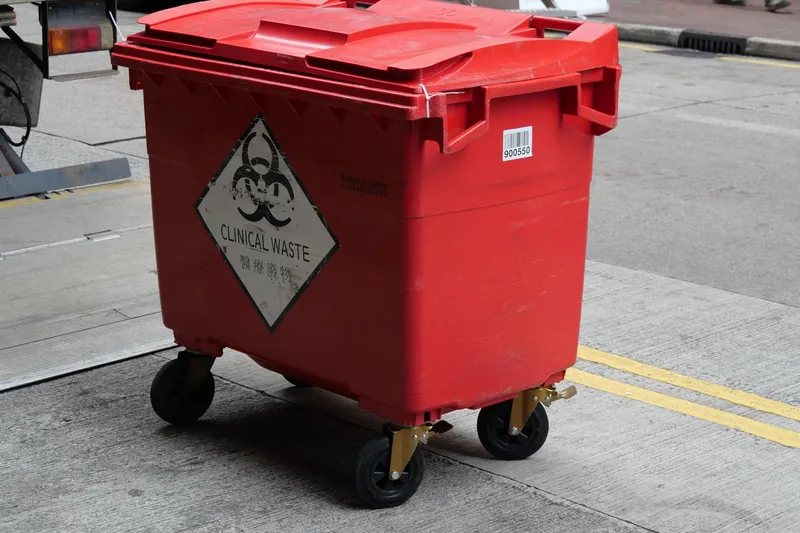
Cleanup time varies with affected-area size, depth of fluid absorption and any need to take materials out. A new spill limited to the surface involves less work than contamination repeated throughout multiple rooms.
| Scene | Typical time on site |
|---|---|
| Limited spill affecting a single hard surface | Cleaning, disinfection and contact time |
| One room with porous materials | Material removal followed by cleaning, disinfection and odor inspection |
| Several rooms or repeated contamination | Staged removal and cleaning over a longer period |
Finding the odor source and taking it out comes first. Fragrance only masks the smell of vomit, feces or urine briefly. It does not clean remaining fluid from inside furniture, beneath flooring or behind baseboards.
After contaminated materials are removed and surfaces are cleaned, the area can be dried and ventilated. HEPA air scrubbers may help capture airborne particles during the work. Persistent odor can signal that fluid remains in a porous material, so the final inspection should include seams, floor edges, wall bases and nearby contents.
The full bodily fluid cleanup guide covers what is cleaned or removed, odor and air quality work, and the rules that apply in Oklahoma and Tulsa County.
Read the full bodily fluid cleanup guideLocal population patterns, housing and site access may affect how containment and cleanup are planned.
For an injury during discovery, Ascension St. John Medical Center is the nearest listed hospital at approximately 1.8 miles away.
This community is near Swan Lake, Garden District, and Cherry Street District, so say which town or neighborhood the property is in when you share its address.
The neighborhood setting makes privacy especially important when equipment must pass through sidewalks, lobbies, or other visible common areas.
You can ask about cleanup in nearby communities and ZIP codes during the call.
Rentals, residences and public bathrooms receive human feces cleanup and disinfection.
See human feces cleanup
Floors, underlying subfloors and furniture receive urine cleanup with odor removal.
See urine cleanup
Vomit is cleaned and the area disinfected to stop the spread of norovirus and other germs.
See vomit cleanup
Blood cleanup clears blood from furniture, walls, hard floors and carpet, followed by safe disposal.
See blood cleanup
Blood spill cleanup addresses fresh or dried blood spills of every size.
See blood spill cleanup
Cleanup controls the risk of blood exposure involving HIV, hepatitis C and hepatitis B.
See bloodborne pathogen cleanup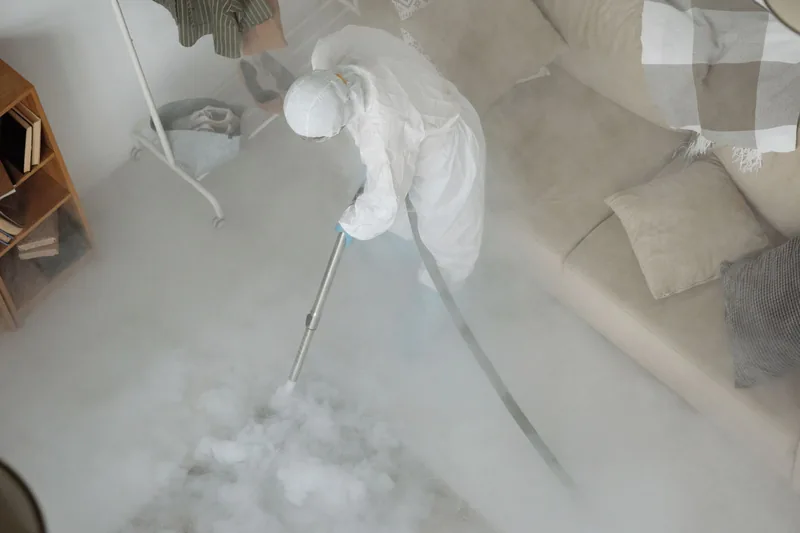
Full decontamination of rooms, surfaces and air after infectious or hazardous exposure.
See biohazard decontamination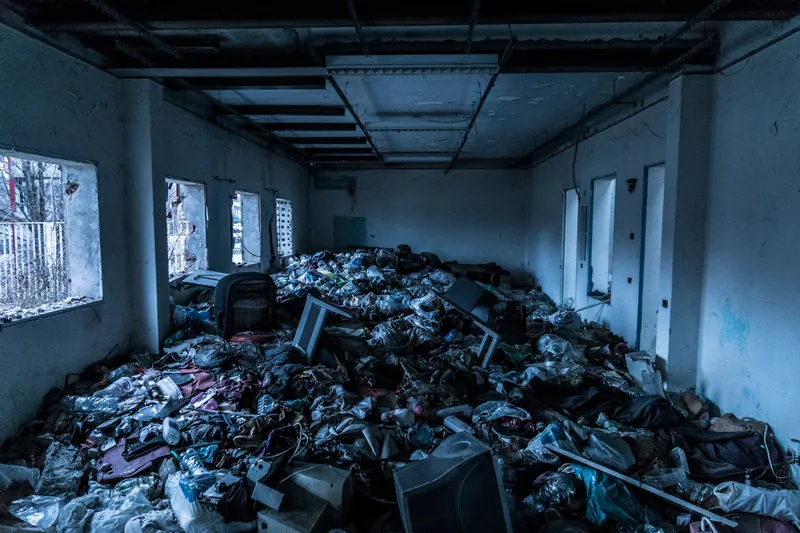
Respectful sorting, item removal and deep cleaning are included in hoarding cleanup.
See hoarding cleanupBecause human feces may carry illness-causing parasites, viruses and bacteria, you should regard it as biological contamination. Prevent pets and people from entering, do not stir up dust or create splashes, and clean your hands following potential contact. Controlled disinfection and removal are needed for widespread contamination or feces that entered furnishings, timber or carpeting.
Choose the cleaner based on its label and the surface material. Remove the fecal material first, then clean all visible soil. Use an EPA-registered disinfectant labeled for the intended surface and organism concern, and follow its dilution, safety and contact-time directions. Mixing cleaning chemicals can produce hazardous fumes, so always keep them separate.
Not every time. If the contents are known, you may manage a minor new spill on undamaged non-porous material using gloves, a suitable disinfectant and careful cleaning. Professional cleanup is appropriate when sharp items or blood are present, the source is uncertain, fluid soaked into porous surfaces or the affected area is too broad to manage safely.
Circumstances affect the risk, and urine alone does not receive the same treatment as blood. It could contain feces, germs or blood, and ongoing urine contamination may soak far into furniture or floor materials. Protect your hands with gloves for a limited spill. Call for assistance when contamination covers a large space, affects porous items or comes from an uncertain source.
Before cleaning, block others from the area and protect your hands with proper disposable gloves. Never use a vacuum or broom on dry fecal matter. After cautiously collecting solids and cleaning visible dirt, disinfect the sound hard surface with an appropriate product registered by the EPA, following its label exactly. Choose professional human feces removal for an extensive area, absorbent surfaces or hazards you cannot identify.
Small blood or fluid cleanup is listed in published guides at $500 to $2,500. Another published guide places blood cleanup prices between $300 and $4,000. Your final amount varies based on fluid type, affected space, surface material, waste disposal and odor treatment. An assessment is needed because those published ranges do not describe every property.
Respectful, discreet bodily fluid cleanup is available 24 hours a day, and crews arrive in unmarked vehicles.